
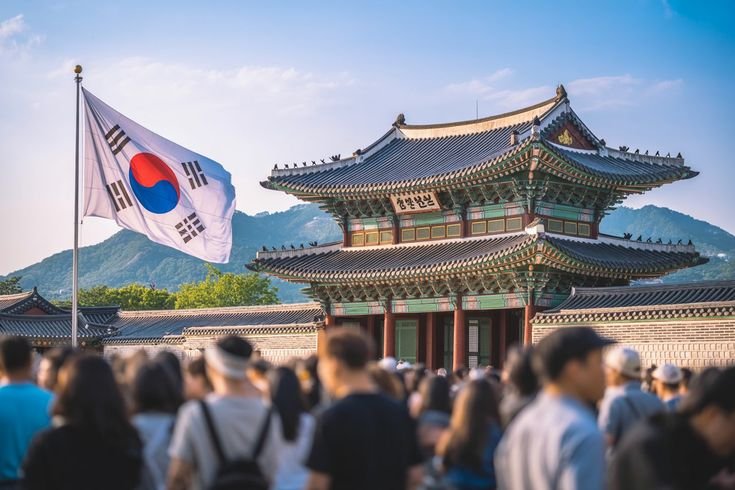

Introduction
Over the last two decades, South Korea has transformed from a fast-developing nation into a true global powerhouse. In 2026, its popularity is no longer limited to one region or age group. From Silicon Valley to Europe, from global classrooms to entertainment platforms, Korea’s influence is visible everywhere.
People across the world are not just consuming Korean products or entertainment—they are actively engaging with Korean ideas, work culture, technology, and creativity. This growing interest is driven by more than trends or hype. It is rooted in consistent innovation, cultural relevance, and global connectivity.
This article explores the real reasons why South Korea continues to gain worldwide attention in 2026, and why its influence shows no signs of slowing down.
Table of Contents
- Korea’s Rise on the Global Stage
- Technology and Innovation Leadership
- Cultural Power Beyond Borders
- Global Education and Skills Ecosystem
- Economic Strength and Global Partnerships
- Korea’s Digital Presence and Soft Power
- Common Misconceptions About Korea
- Frequently Asked Questions
- Final Thoughts
Korea’s Rise on the Global Stage
South Korea’s global popularity did not happen overnight. It is the result of long-term national planning, strong education systems, and an openness to global collaboration. Unlike many countries that focus on a single sector, Korea built influence across multiple industries at the same time.
By 2026, Korea is recognized not just as a successful economy, but as a country that shapes global trends.

Technology and Innovation Leadership
South Korea is one of the most technologically advanced nations in the world. It plays a critical role in global innovation through leadership in semiconductors, consumer electronics, artificial intelligence, and next-generation communication networks.
Many everyday technologies used in the United States and Europe depend on Korean research, design, or manufacturing. Korea’s emphasis on speed, precision, and quality has made it a trusted partner for global industries.
In 2026, Korea’s growing investments in green technology, smart cities, and digital infrastructure further strengthen its global relevance.
Cultural Power Beyond Borders
Korean culture has achieved something rare—it feels both local and global at the same time. Music, cinema, television, fashion, and beauty trends from Korea connect deeply with international audiences.
Korean storytelling resonates because it reflects modern realities such as ambition, pressure, identity, and emotional depth. Rather than adapting to global tastes, Korea has influenced global tastes themselves.
This cultural reach has turned Korea into a major creative force worldwide, shaping entertainment industries and consumer behavior across continents.

Global Education and Skills Ecosystem
South Korea is increasingly seen as a destination for high-quality education and skill development. Its universities, research institutions, and industry partnerships attract students and professionals from all over the world.
What makes Korea appealing is its strong connection between education and industry. Learning in Korea often comes with exposure to real-world applications, innovation labs, and global companies.
In 2026, Korea’s focus on future-ready skills makes it especially attractive to learners looking beyond traditional education systems.

Economic Strength and Global Partnerships
South Korea holds a strategic position in global trade and economic cooperation. Its close relationships with North America, Europe, and Asia place it at the center of international supply chains.
Korea’s ability to adapt quickly to economic shifts—whether technological disruptions or global challenges—has made it one of the most resilient economies in the world.
This economic stability increases global trust and reinforces Korea’s international popularity.
Korea’s Digital Presence and Soft Power
Korea understands the power of digital platforms better than most countries. Its content, brands, and ideas travel quickly through global social media, streaming services, and online communities.
This strong digital presence amplifies Korea’s soft power—the ability to influence through culture, innovation, and values rather than force. In 2026, this soft power plays a major role in shaping global perceptions of Korea.
Common Misconceptions About Korea
Many people still see South Korea only through the lens of entertainment or technology. In reality, Korea is much more than that. It is a country with a deep cultural history, a strong work ethic, and a long-term vision for global collaboration.
Another misconception is that Korea’s popularity is temporary. The consistent growth across multiple sectors suggests otherwise. Korea’s influence is built on structure, not trends.
Frequently Asked Questions
Why is South Korea so influential globally?
Because it combines technology, culture, education, and economic strategy in a balanced and sustainable way.
Is Korea’s global popularity still growing in 2026?
Yes. Korea continues to expand its influence through innovation, global partnerships, and digital platforms.
Is interest in Korea limited to entertainment?
No. Interest now includes education, careers, technology, language, and business opportunities.
Final Thoughts
South Korea’s popularity in 2026 reflects a deeper global shift toward innovation-driven, culturally connected nations. Korea has positioned itself as a country that not only adapts to the future but actively shapes it.
As global curiosity about Korea continues to grow, platforms like Koreyoo.in exist to provide clear, reliable insights into what makes Korea matter to the world.
Updated for 2026 – Published by Koreyoo.in

Good evening pls can you teach me Korean